


From traditional craft to contemporary modern design, here’s how Sri Lanka’s design language has changed.
If you think Sri Lankan design begins and ends with batik shirts and handwoven table runners, it’s time for a rethink. The island’s creative scene has been quietly, and increasingly confidently, moving beyond familiar craft traditions.
Today, independent designers are taking techniques that have been around for generations and finding new ways to make them relevant to how we dress, decorate and live.
What makes this shift interesting is that the old and new aren’t competing. In fact, they are having quite a productive conversation.
The Craft Behind The Creativity
-

Lace Red Top
Rs 15,000.00or 3 X Rs5,000.00 with

-

Ecru Lace Panel Blouse
Rs 15,000.00or 3 X Rs5,000.00 with
-

Meryl Top Lace
Rs 5,900.00or 3 X Rs1,966.67 with
Sri Lanka has a rich history of making things by hand. Be it handloom weaving, batik, lace-making, pottery and wood carving are among the crafts that have shaped its visual culture.
Take handloom as an example. The process involves interlacing threads on a loom to create fabric, often with distinctive textures and patterns. The beauty lies in the small variations that make handmade textiles feel unique.
-

Satin Batwing Crop Top-Green
Rs 12,500.00or 3 X Rs4,166.67 with
-

Ceylon Flower Batik Denim Skirt
Rs 67,000.00or 3 X Rs22,333.33 with
-

Coord Set Shirt-Maroon
Batik is another craft with a fascinating process. The wax is applied to selected areas of fabric before dyeing, creating patterns wherever the dye cannot penetrate. Repeated applications of wax and colour can produce wonderfully detailed designs.
These techniques require time, patience and specialist knowledge. More importantly, they represent skills developed and passed down through communities. They’re part of Sri Lanka’s integral creative heritage.
Giving Traditions A New Wardrobe
The exciting development is seeing designers move these crafts into spaces they might not traditionally have occupied. Instead of treating handloom and batik as occasional or ceremonial textiles, they’re incorporating them into contemporary clothing, accessories and homeware.
-
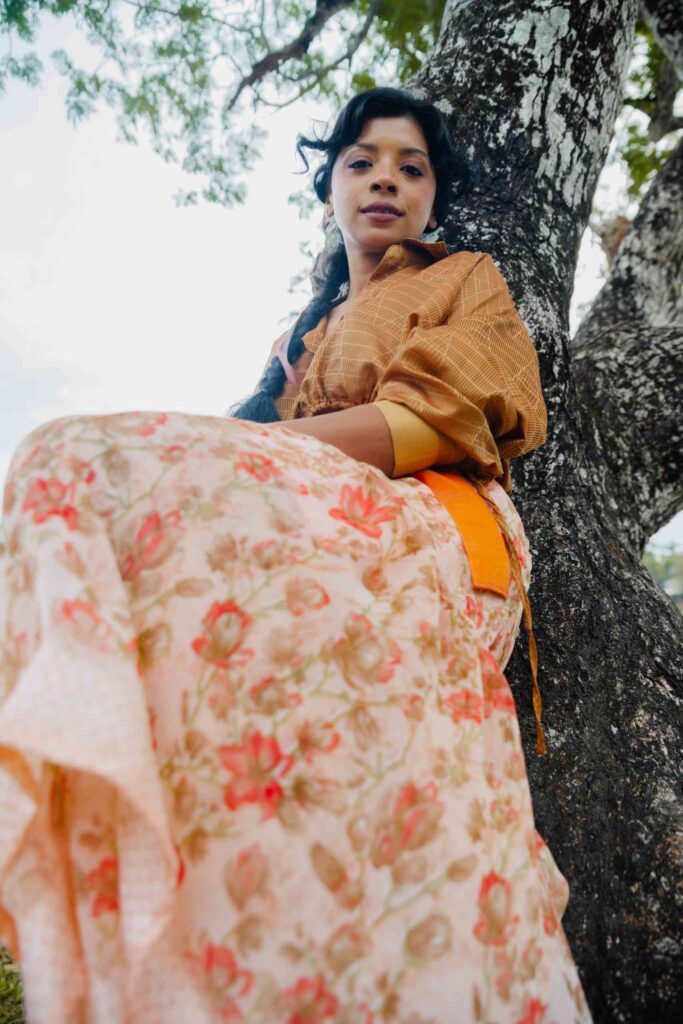
Peach Floral Wrap Skirt
Rs 17,000.00or 3 X Rs5,666.67 with
-
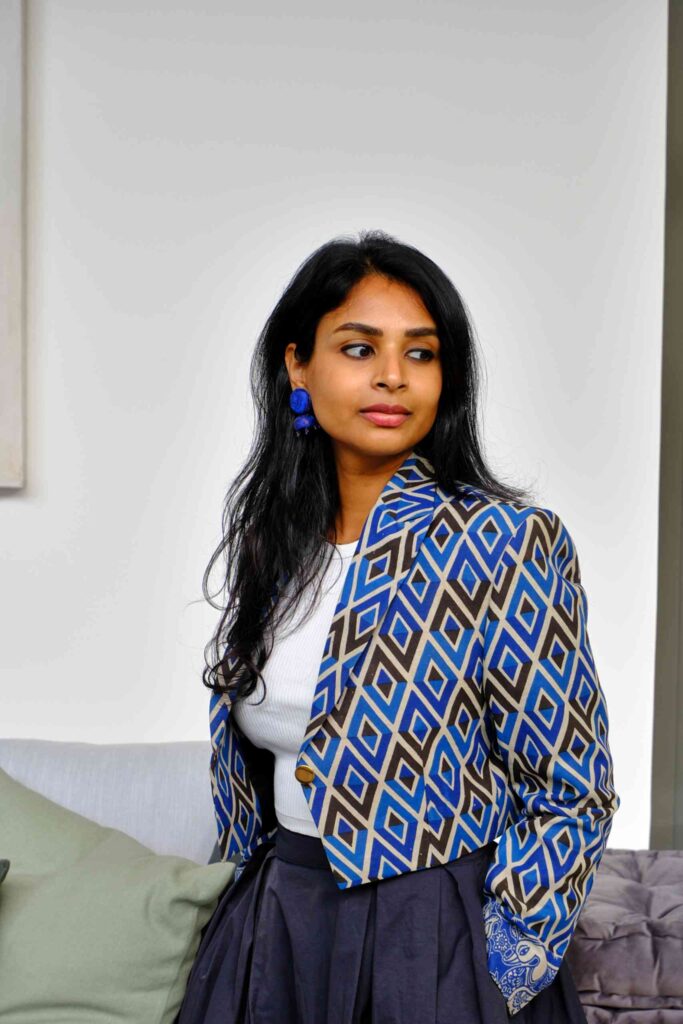
Blue Diamond Crop Blazer
Rs 58,000.00or 3 X Rs19,333.33 with
-
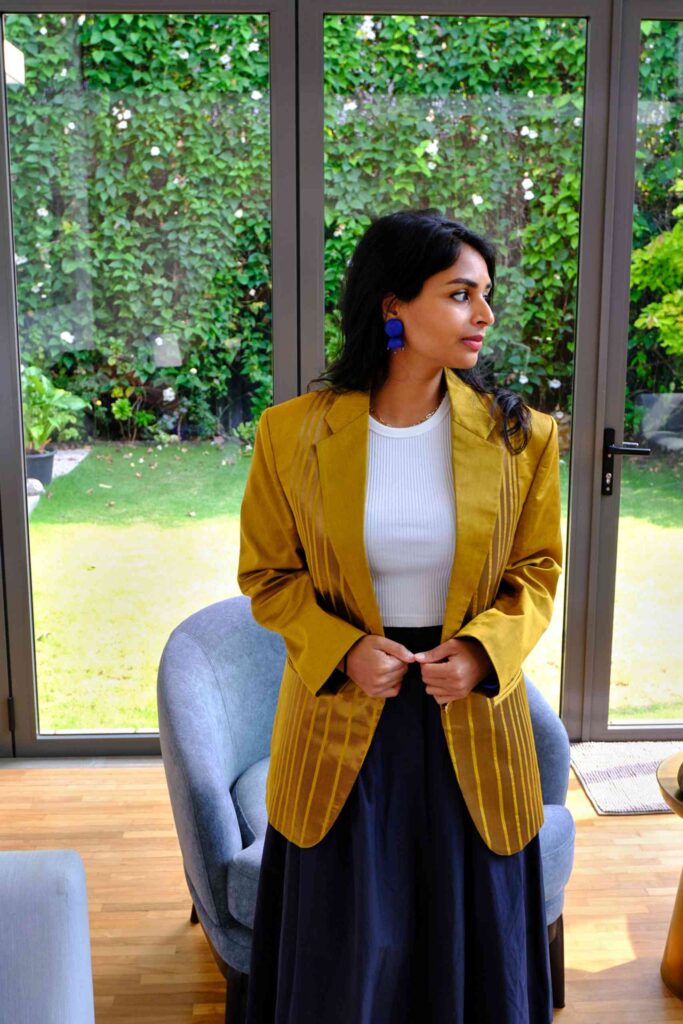
Gold Chanderi Blazer
Rs 69,000.00or 3 X Rs23,000.00 with
-
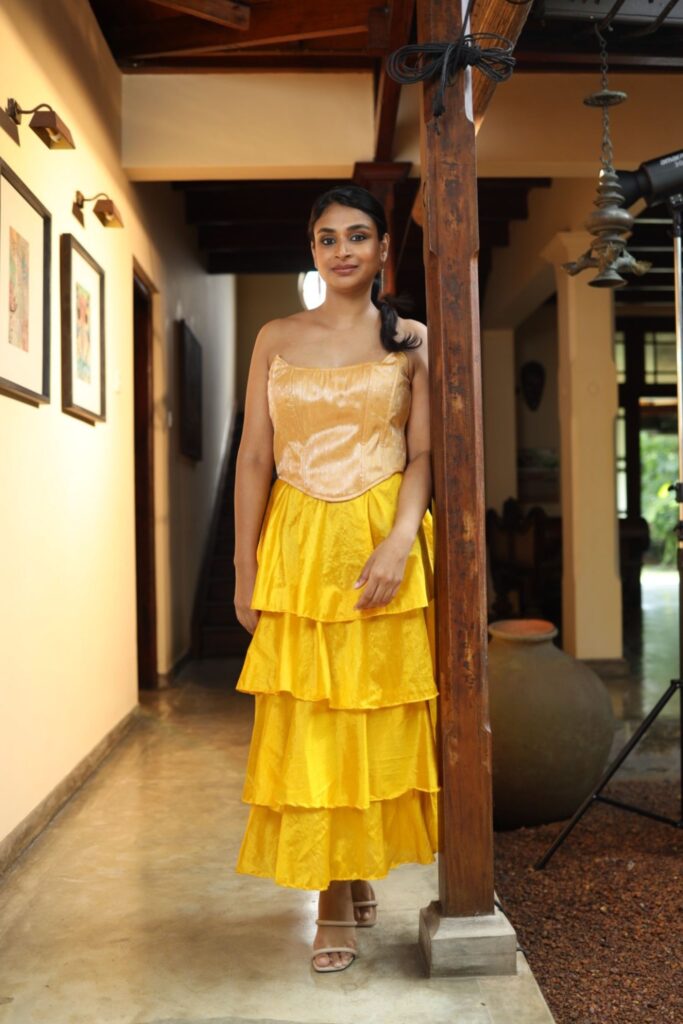
Yellow Banares Corset Top
Rs 11,500.00or 3 X Rs3,833.33 with
Maja, founded by Draupadie Wickramasinghe, is a great example. The label gives pre-loved South Asian sarees and silks a new lease of life, transforming them into contemporary garments and lifestyle pieces. The appeal is in the unexpected combinations: familiar fabrics, reworked into pieces that feel entirely individual.
-
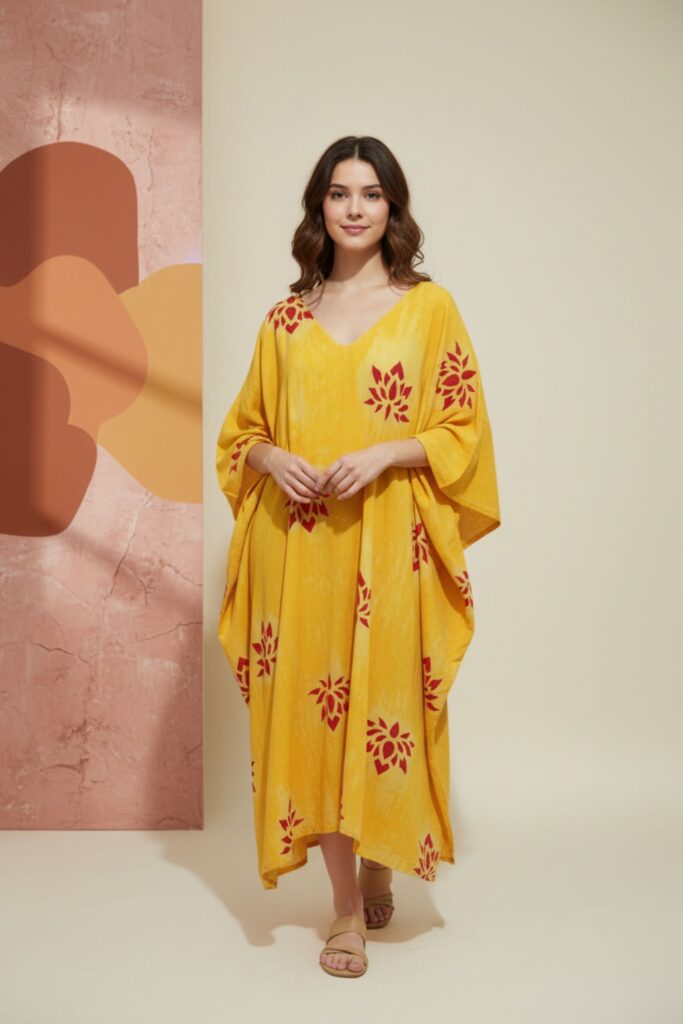
Saffron Lotus Kaftan
Rs 30,000.00or 3 X Rs10,000.00 with
-
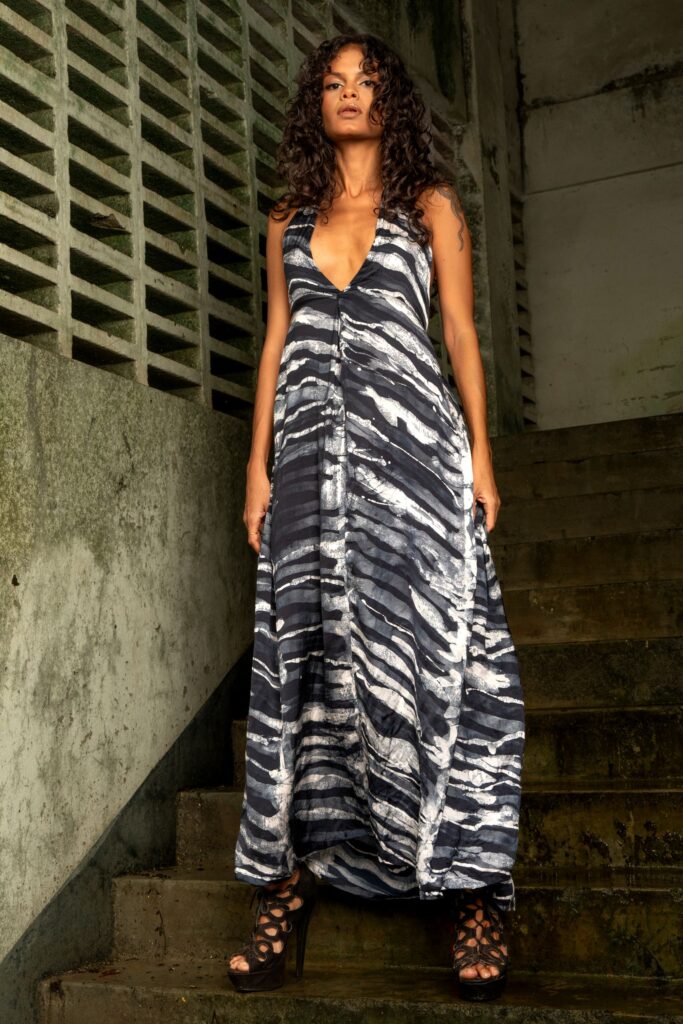
Monochrome Lines Halter Dress
Rs 50,000.00or 3 X Rs16,666.67 with
-
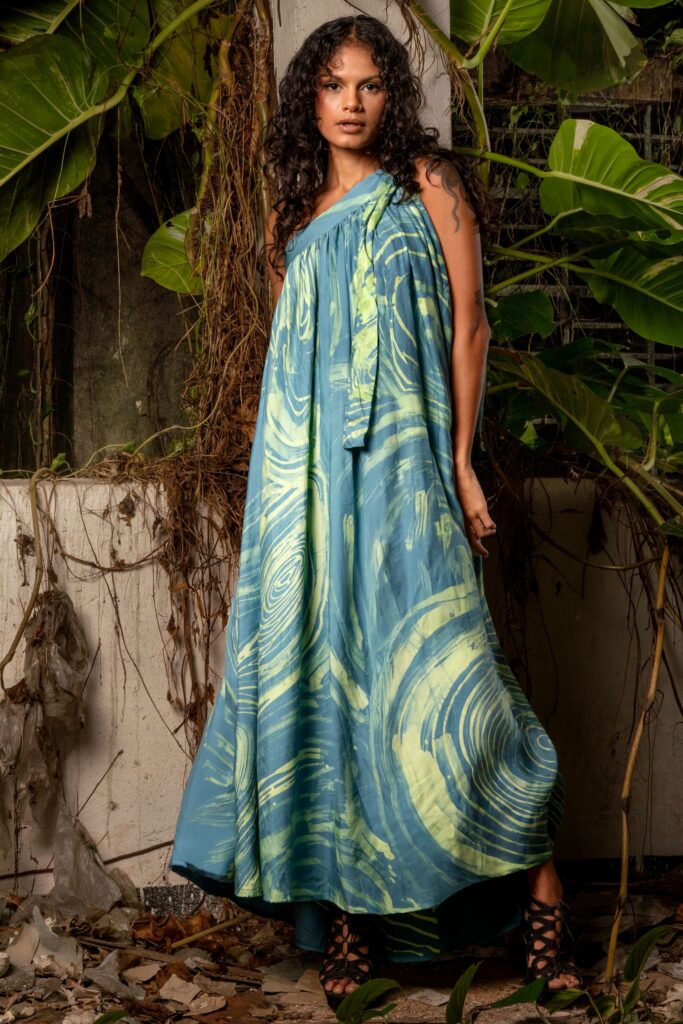
Jade Grecian Dress
Rs 55,000.00or 3 X Rs18,333.33 with
-
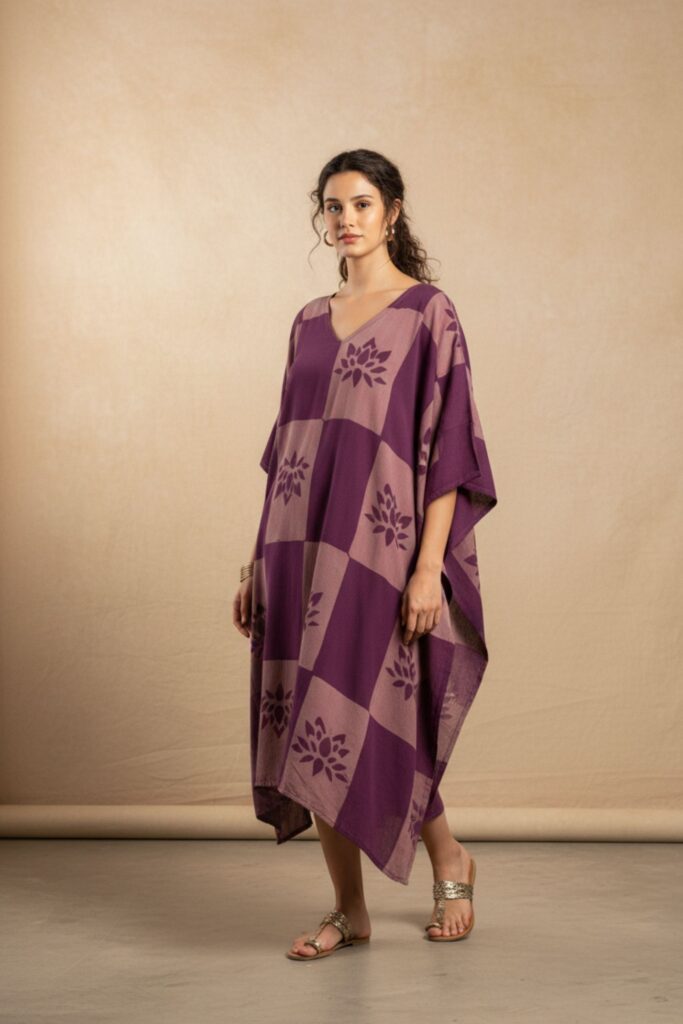
Blue Lotus Kaftan
Rs 25,000.00or 3 X Rs8,333.33 with
Inpe Batiks takes another route, using traditional wax-resist dyeing to create limited-edition clothing in cotton and silk voile. Meanwhile, Swanee continues a family legacy of batik artistry, bringing the technique into a contemporary design context.
The craft remains recognisable, but the way we wear and experience it is changing.
Independent Designers With A Fresh Perspective
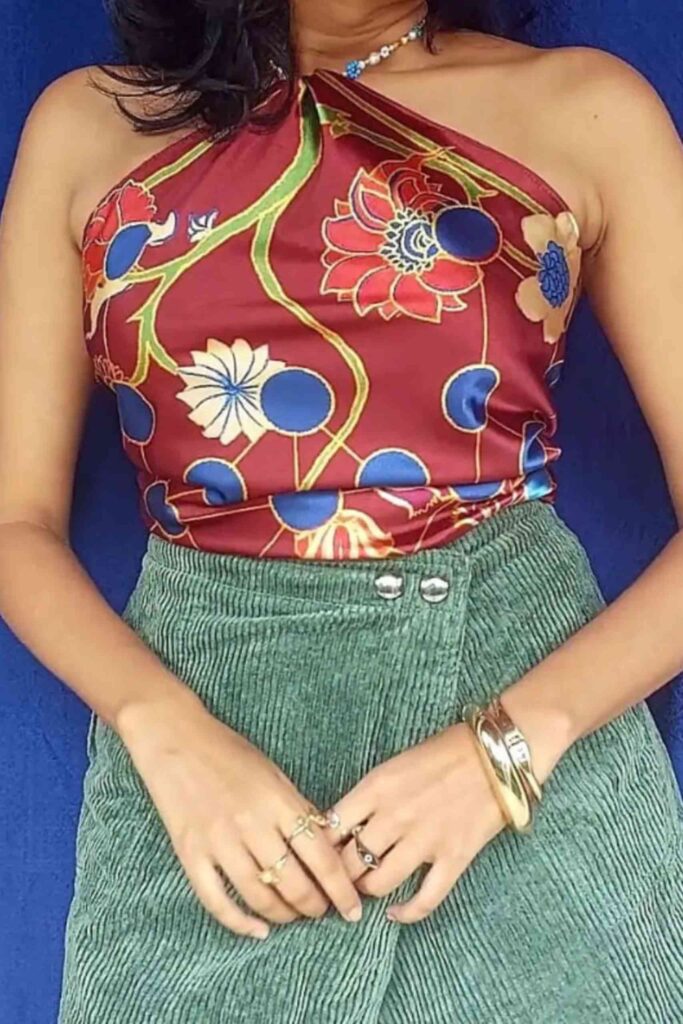
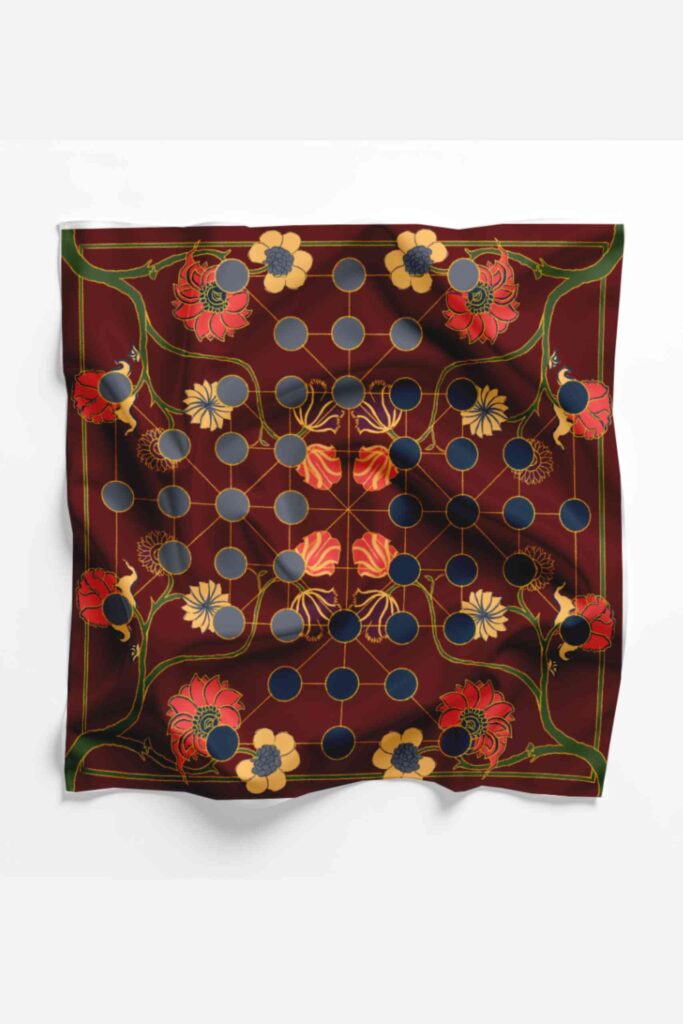
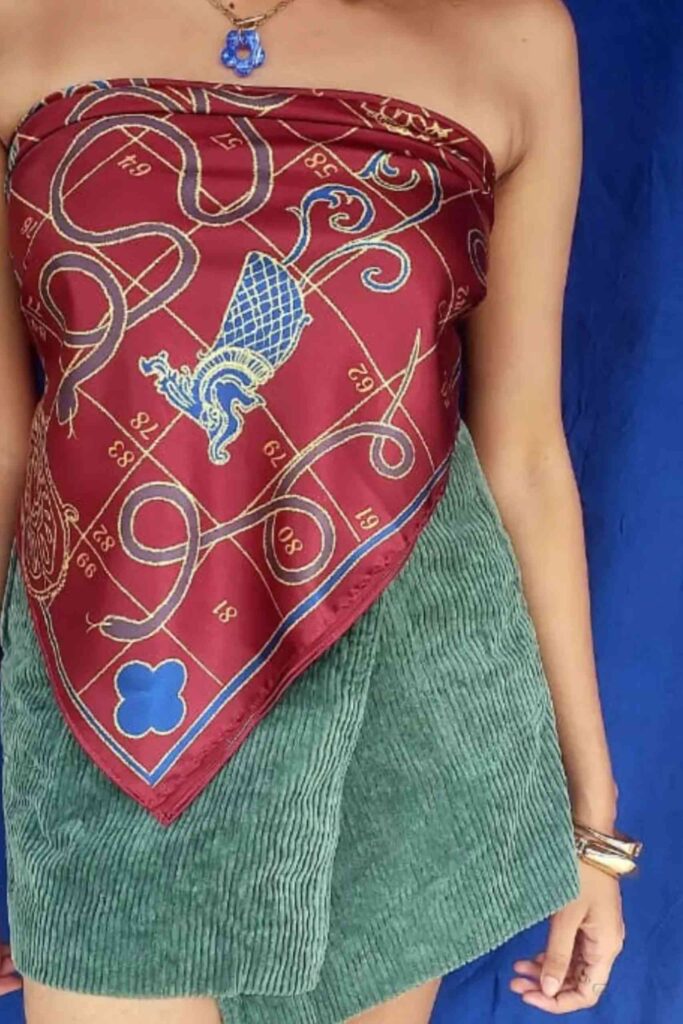
A new generation of Sri Lankan labels is also broadening the conversation beyond textiles. House of Lonali, founded by Lonali Rodrigo, works with pre-consumer textile waste, turning discarded materials into thoughtfully designed products. Its approach makes resourcefulness part of the design process rather than an afterthought.
-
Perali Katuma Scarf
Rs 5,900.00or 3 X Rs1,966.67 with
-
Perali Katuma Pocket Square
Rs 3,900.00or 3 X Rs1,300.00 with
-
Snakes And Dragons Scarf In Maroon
Rs 5,900.00or 3 X Rs1,966.67 with
Another label bringing Sri Lankan stories into everyday design is White Shadow. Founded by Mahesha, the brand explores the intersection of art, culture, nature, and craftsmanship across everything from clothing and homeware to stationery, and more. Each piece begins with a story, with illustrations, materials and design details inspired by the island’s culture and natural heritage.
-
Citrine Turtle Hook Earrings
Rs 9,000.00or 3 X Rs3,000.00 with
-
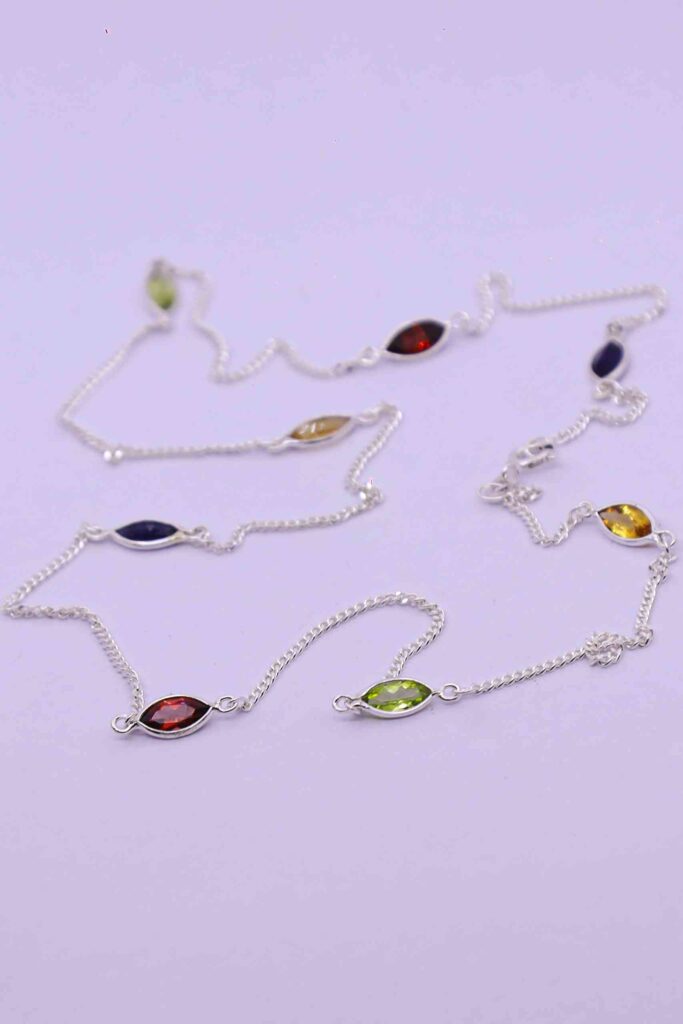
Marquis Long Necklace
Rs 32,500.00or 3 X Rs10,833.33 with
-
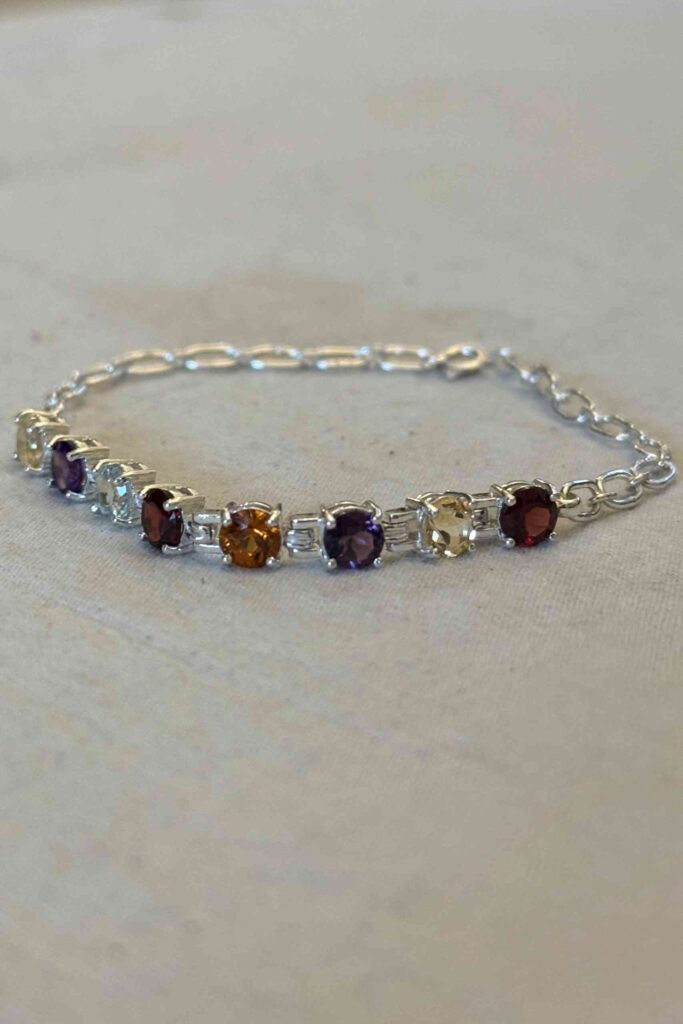
8 Stone Bracelet
Rs 32,000.00or 3 X Rs10,666.67 with
-
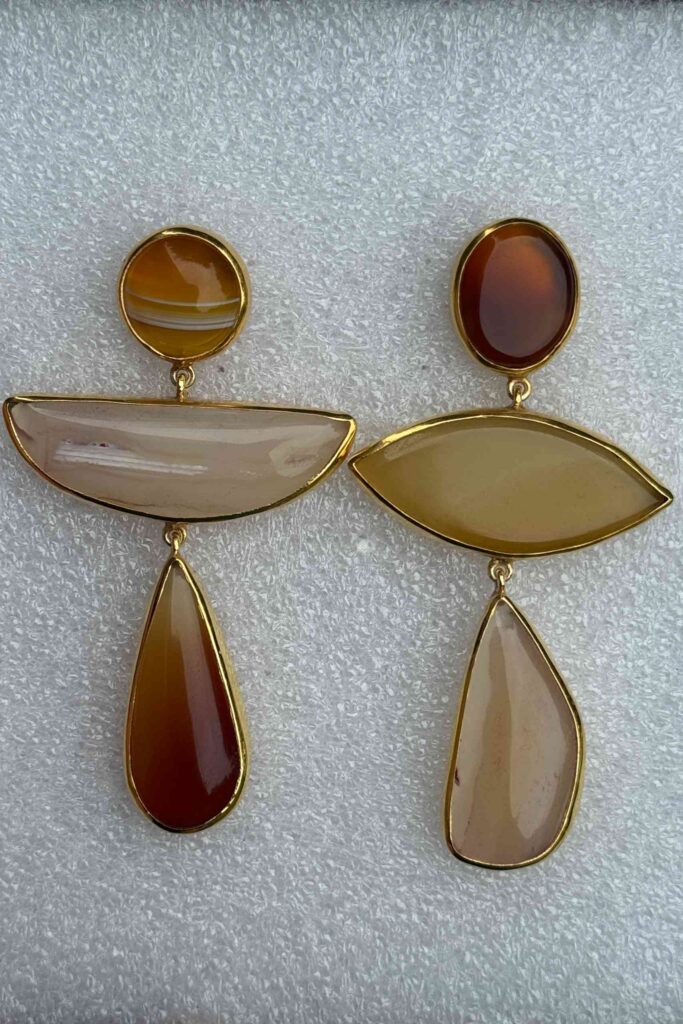
Yellow Agate & Onyx Mismatched Earrings
Rs 43,600.00or 3 X Rs14,533.33 with
-
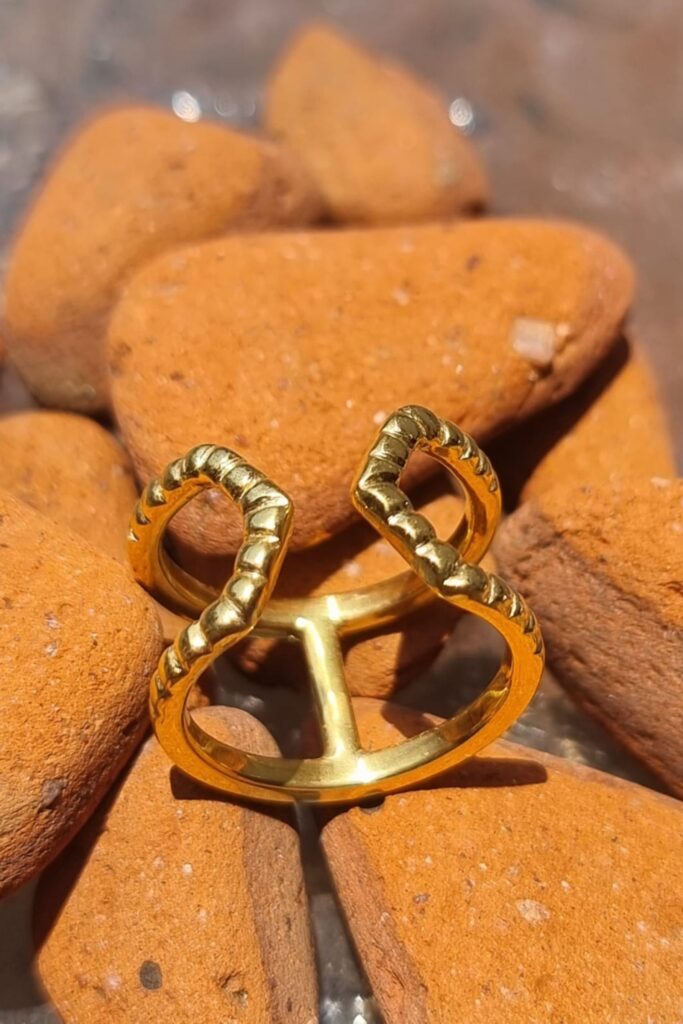
Open V Gold Plated Ring
Rs 14,000.00or 3 X Rs4,666.67 with
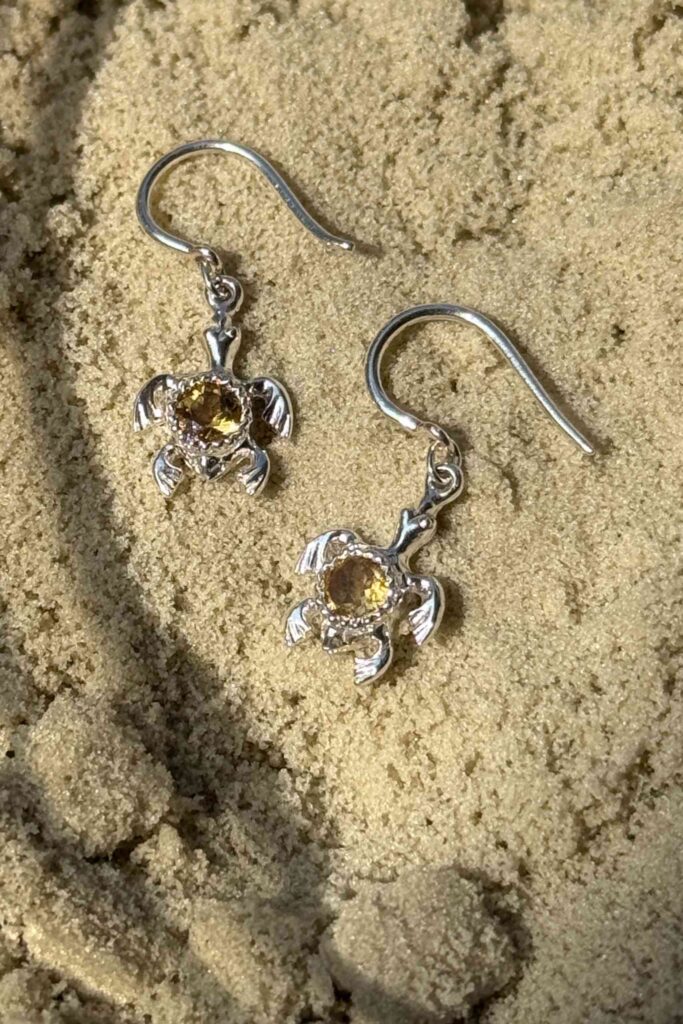
In jewellery, Nimanse brings together handcrafted silver and semi-precious stones, balancing traditional influence with a modern sensibility. These brands show how local design can draw from heritage without being limited by it.
Why You Should Choose & Buy Local
There’s something particularly satisfying about knowing who made what you’re wearing or bringing into your home. Choosing local designers helps independent businesses grow, supports skilled makers and gives traditional techniques a reason to keep evolving.
It also means discovering pieces with a little more personality than the mass-produced alternatives, and ensuring they remain unique to you. A handwoven textile may have subtle irregularities; a batik print may carry the mark of the artisan’s process. These details are part of the appeal.