




These tiny steps can make your wardrobe more conscious
Every year, June begins with a familiar conversation: how can we live more sustainably? Now as World Environment Day draws near (June 5th for those who weren’t aware), that question feels especially urgent.
From record-breaking global temperatures (we’ve all felt the intense heat) and extreme weather events to growing concerns around plastic pollution and textile waste, environmental challenges are no longer distant headlines. Instead, they’re a daunting reality shaping our everyday lives. And while systemic change requires action from governments and industries, our role as consumers shouldn’t be underestimated.
We currently live in a world designed to encourage constant consumption. A quick scroll through social media can leave you convinced that you need a new outfit, a new skincare routine, or the latest viral product. But what if sustainability isn’t about doing more? What if it’s about buying less and buying better?
The Design Collective Store has put together five simple mindful shopping habits that can make a genuine difference.
- Give Every Purchase The “Future You” Test
Before adding something to your cart, ask yourself a simple question: Will I still be using this six months from now?
A helpful variation of this is the “30 wears” mindset. This encourages you to choose items you’ll genuinely reach for again and again rather than buying for a single moment, trend, or Instagram post (we’re all guilty of this).
The goal isn’t to eliminate joy from shopping. It’s to ensure your purchases become part of your life rather than part of a growing pile of barely-used items.
- Learn What Goes Into The Making Of The Product
Mindful shopping begins with curiosity. Yes, you read that right.
Every product has a story, from the materials used to create it to the resources required to produce it. Fashion can be surprisingly resource-intensive, with certain fabrics requiring a significant amount of water, energy, and chemicals during production.
You don’t need to become an expert overnight. Simply becoming more aware of materials, sourcing, and manufacturing processes can help you make more informed choices over time.
PS. Staying away from synthetic materials like polyester is always a good idea. When it ends up in a landfill, it doesn’t biodegrade and stay there for generations to come. Furthermore, with every wash of a synthetic garment, tiny microplastics get released into our water stream and negatively impact marine life.
- Say No To Quantity And Yes To Longevity
For years, consumers were encouraged to build bigger wardrobes, larger collections, and endless options. Today, the conversation is shifting toward versatility.
Instead of purchasing multiple versions of the same thing, consider investing in pieces that can move across seasons, occasions, and trends. A well-made shirt, a timeless dress, or a beautifully crafted handbag often delivers more value than several disposable alternatives.
The most sustainable purchase is the one you don’t have to replace.
- Thrift, Repair, Reuse And Reimagine
Shopping doesn’t always have to mean buying something brand-new. Make a habit of visiting clothing swaps, shopping vintage, and finding treasures at pre-loved marketplaces. Not only are they a sustainable way to shop, but they also offer something truly unique.
In the last decade, we’ve become accustomed to replacing things the moment they show signs of wear. But extending the life of an item is often one of the most environmentally responsible choices you can make.
A repaired garment, a resorted shoe, or a repurposed accessory keeps valuable materials in circulation longer and reduces demand for new production. As a side effect, you may find yourself developing a healthier relationship with things that you own–and taking care of better.
- Shop With More Than Just Your Wallet
Every purchase is (in some way) an endorsement. Recently, we’ve seen consumers ask questions about who made their products, how materials were sourced, and whether brands are supporting people and communities responsibly.
No company is perfect, but transparency, ethical production practices, local craftsmanship, thoughtful packaging, and environmental initiatives are all factors worth considering. Mindful shopping isn’t about achieving perfection. It’s about aligning purchases with the values that matter most to you.
The first step is always the hardest.
It’s easy to feel that individual actions are too small to matter in the face of global environmental challenges. But–remember–collective change begins with individual choices.
Mindful consumption is about slowing down, asking better questions, and recognising that every purchase has an impact beyond the checkout page. This World Environment Day, perhaps the most powerful thing we can do is rethink our relationship with consumption itself.
-

Wrap Pant
Rs 6,500.00or 3 X Rs2,166.67 with

-

Marquis Long Necklace
Rs 32,500.00or 3 X Rs10,833.33 with
-
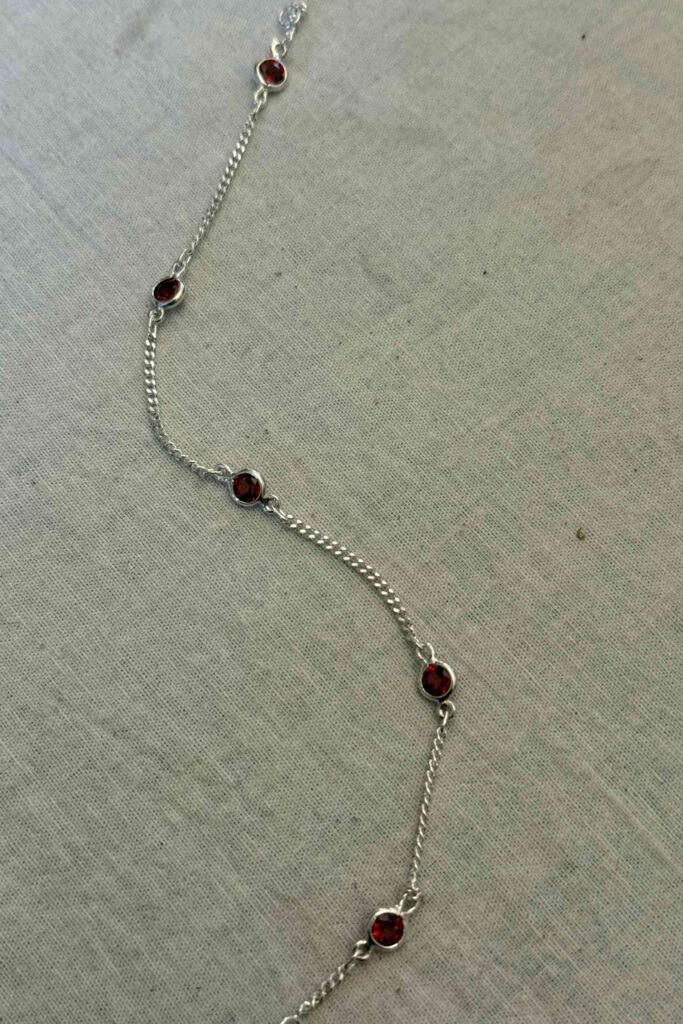
Garnet Chain Bracelet
Rs 12,000.00or 3 X Rs4,000.00 with
-

Amethyst Bangle
Rs 43,500.00or 3 X Rs14,500.00 with
-

Yellow Agate & Onyx Mismatched Earrings
Rs 43,600.00or 3 X Rs14,533.33 with