




Here’s why you and your wardrobe needs a fashion revolution
We live in a world designed for consumption. Whether it’s the constant allure of ever-changing trends or the convenience of one-click online shopping, the pressure to “buy now” is everywhere, be it grocery stores or luxury fashion houses. But as our wardrobes get fuller, the planet pays the price.
The fast fashion industry produces over 80 billion new garments annually, generating 92 million tonnes of textile waste and 10% of global carbon emissions. As legendry designer Vivienne Westwood once said: “Buy less, choose well, make it last.”
If you’re someone who is able to adopt a zero-waste, carbon-neutral lifestyle like you were born into it, that’s commendable. But for most of us out there, going from a world of consuption to being more conscious can sometimes seem impossible. Instead, we can start by making conscious fashion choices.
Here is how you can join the slow fashion movement and shop with intent.
Think Long Term, Not Quick Fixes
When you need (or want) something new, picking a cheap, trendy piece is the easy path. And let’s be honest, the path that most e-commerce websites would try to sell you on. However, fast fashion perpetuates a cycle of low-quality excesss. Instead, try to buy better fashion by looking for pieces that will last for years. Ask yourself: “Will I still love this in three years?”
Yes? Then, go ahead, it’s an investment. If not, it’s just clutter.
-
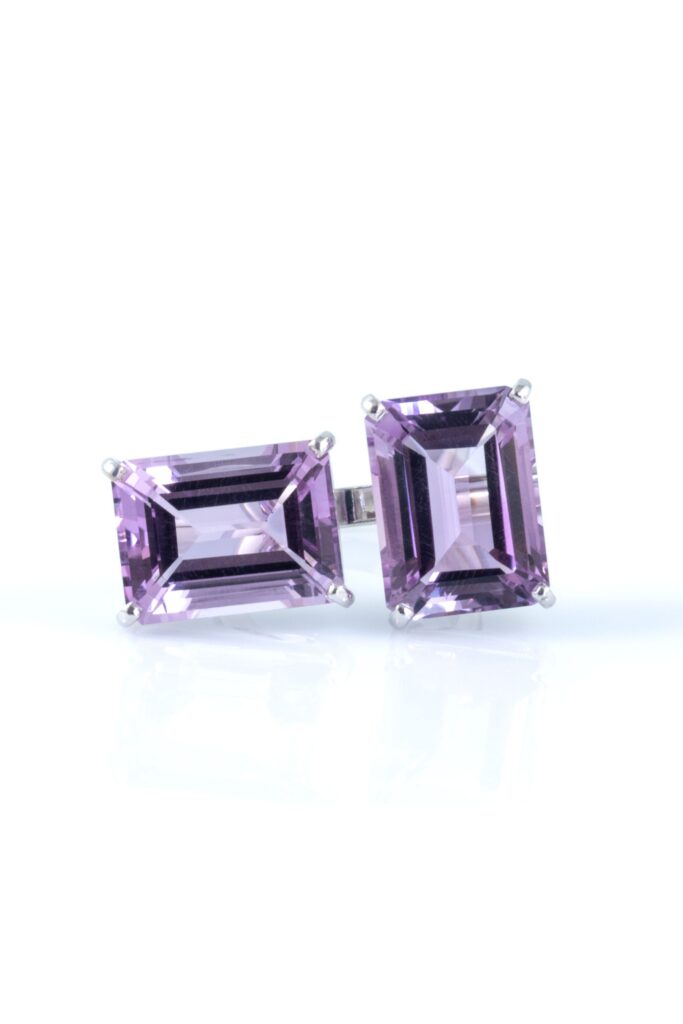
Pink Amethyst Open Ring
Rs 56,500.00or 3 X Rs18,833.33 with

-
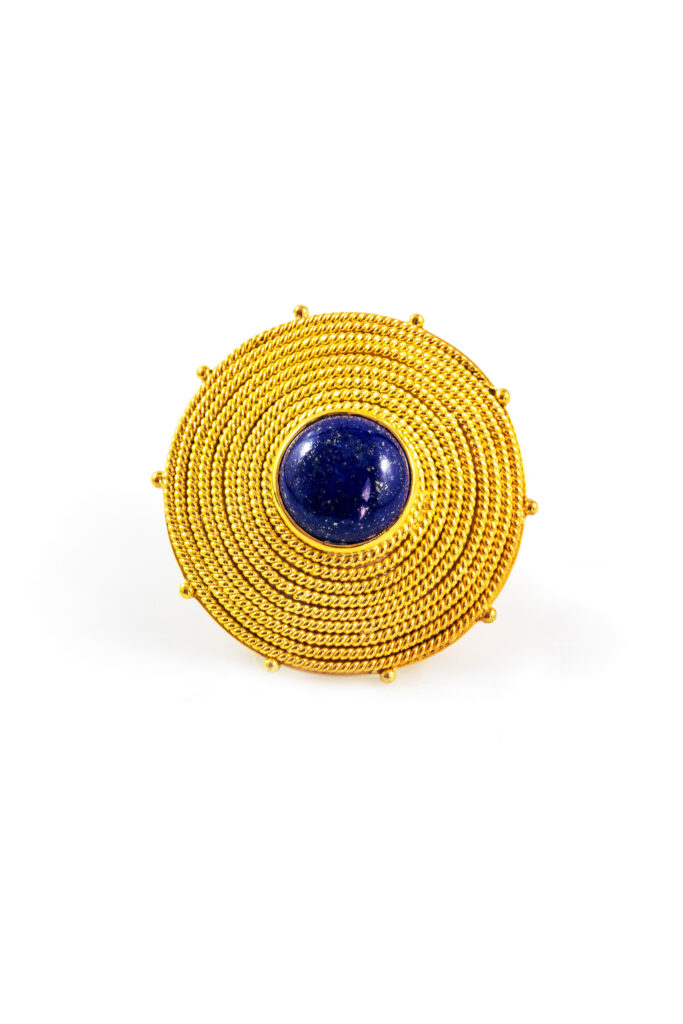
Lapis Lazuli Swirl Ring
Rs 56,500.00or 3 X Rs18,833.33 with
-
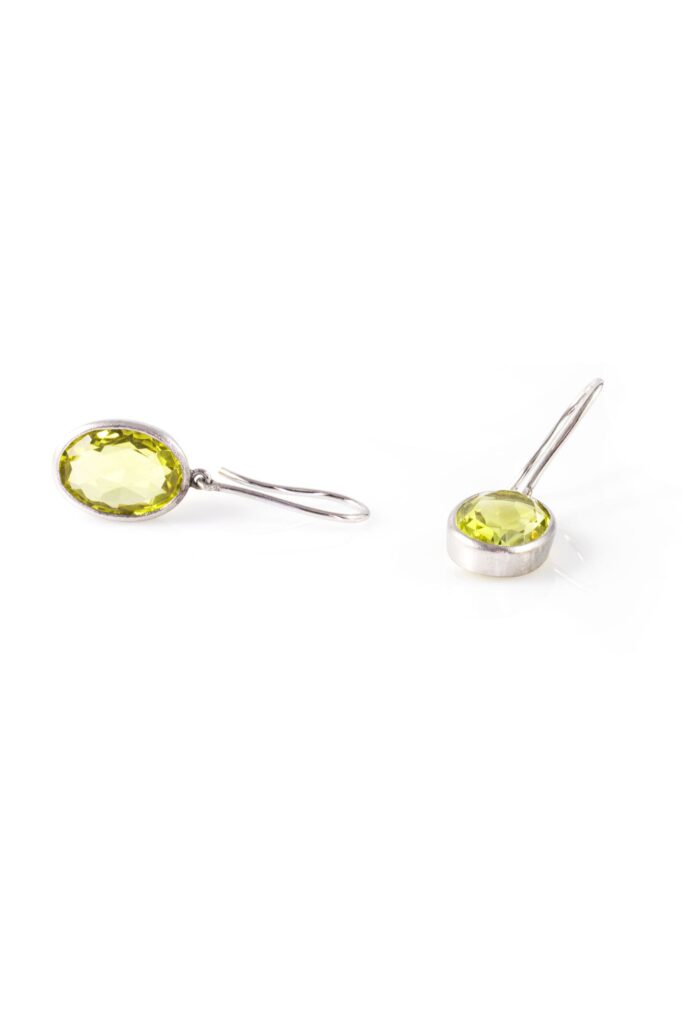
Lemon Quartz Earrings
Rs 29,500.00or 3 X Rs9,833.33 with
-
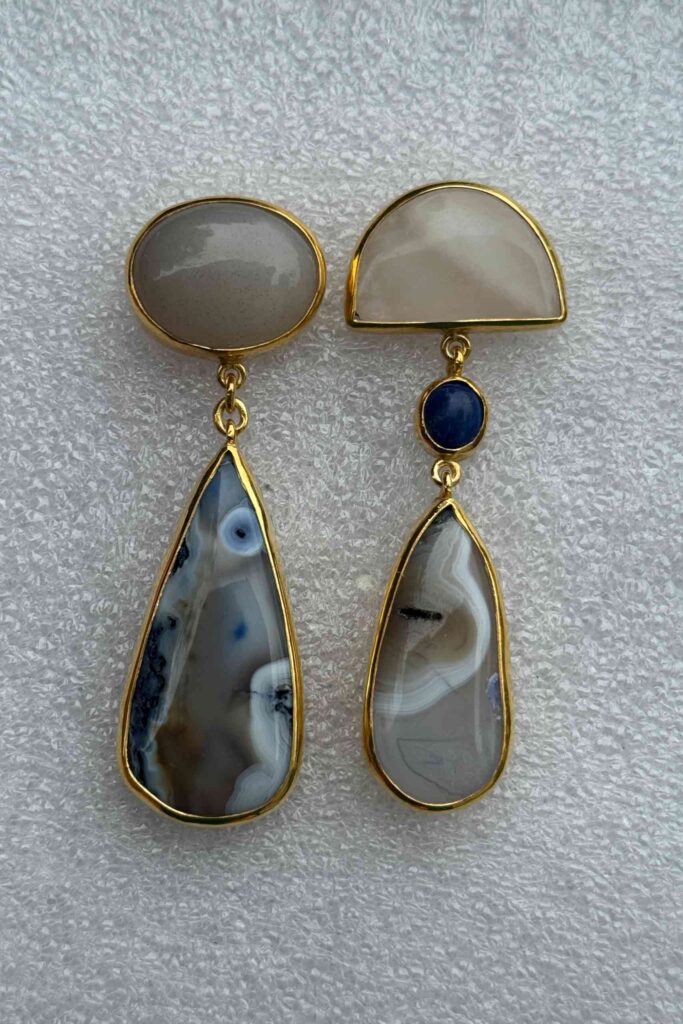
Moonstone, Lapis & Onyx Mismatched Earrings
Rs 36,250.00or 3 X Rs12,083.33 with
Look At The Label
Our philosophy in life is materials before anything else. Before you head to the checkout (physical or online), take a minute to look at the care label. Your favourite choice dictates the garment’s lifespan and its environmental footprint.
- Natural Fibres: Organic cotton, hemp, linen, and silk have a lower impact and are biodegradable.
- Synthetics: Traditional polyester, nylon, and other man-made fabrics are essentially plastic. They don’t break down and shed microplastics whenever you wash them.
However, there are exceptions. If you’re buying a garment made from upcycled plastic or recycled polyster, it is still a better choice for the environment than virgin materials.
-
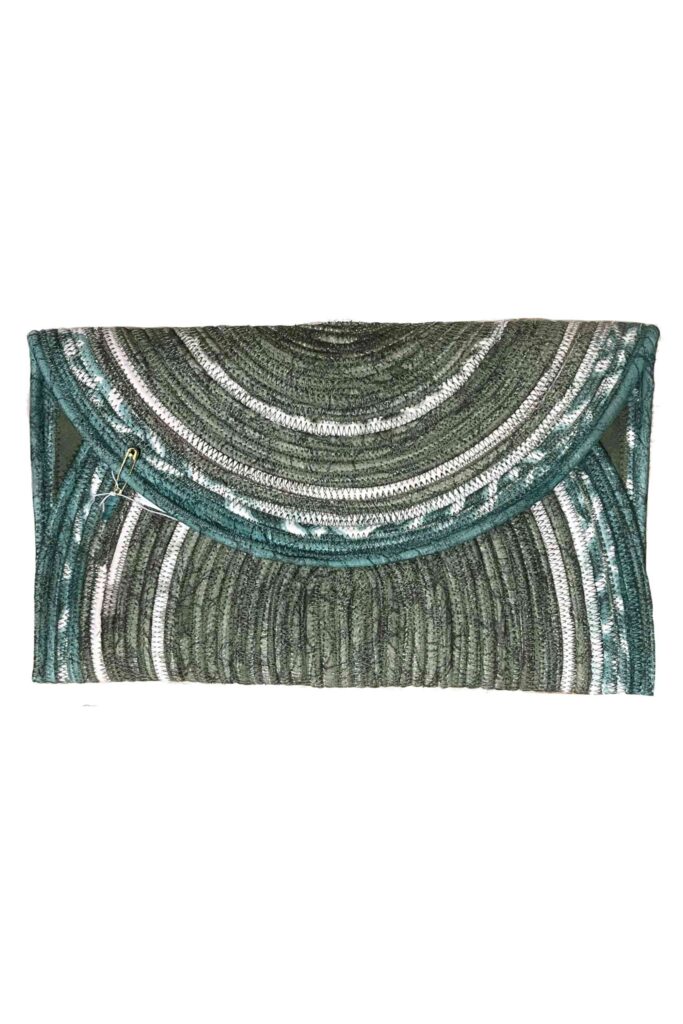
Moonstone Clutch
-
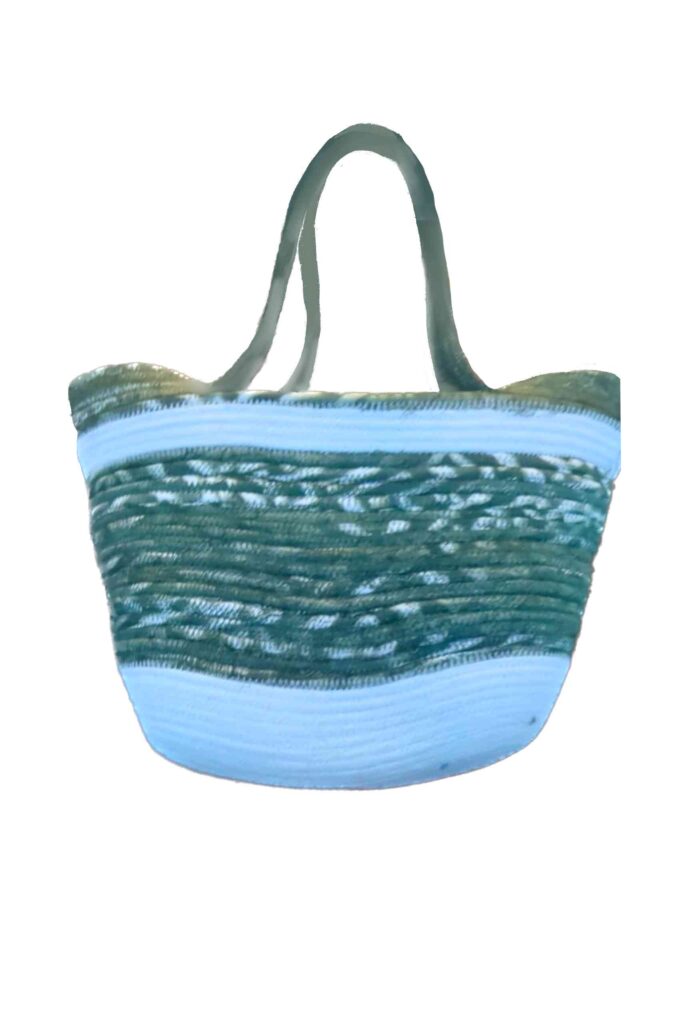
Green Tea Tote
Rs 6,000.00or 3 X Rs2,000.00 with
-
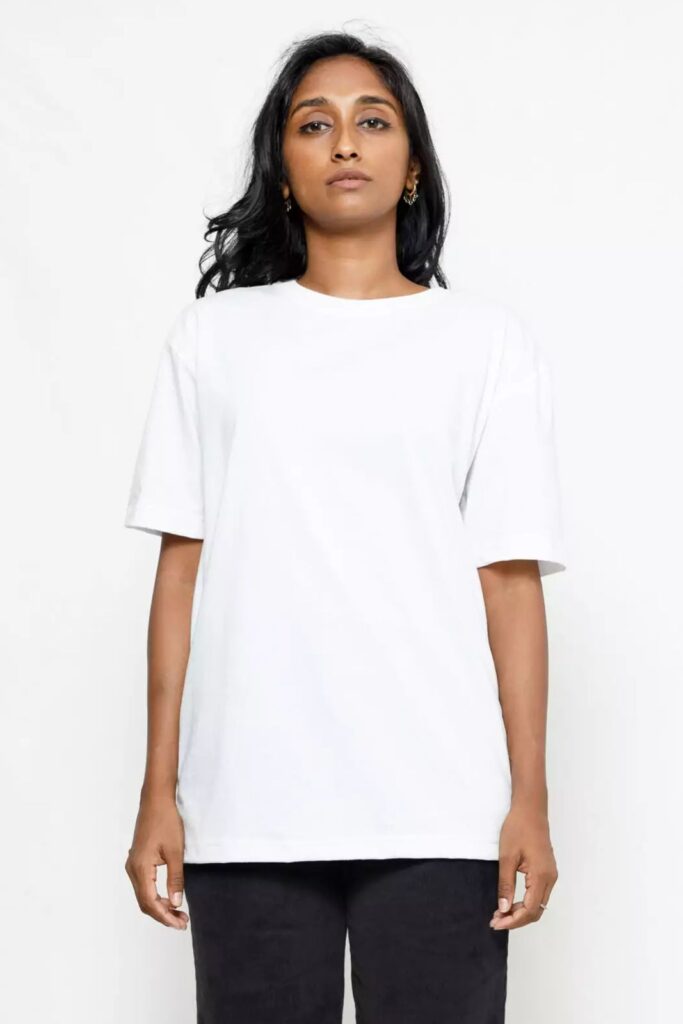
Plain White Oversized T-Shirt Unisex
Rs 4,500.00or 3 X Rs1,500.00 with
-
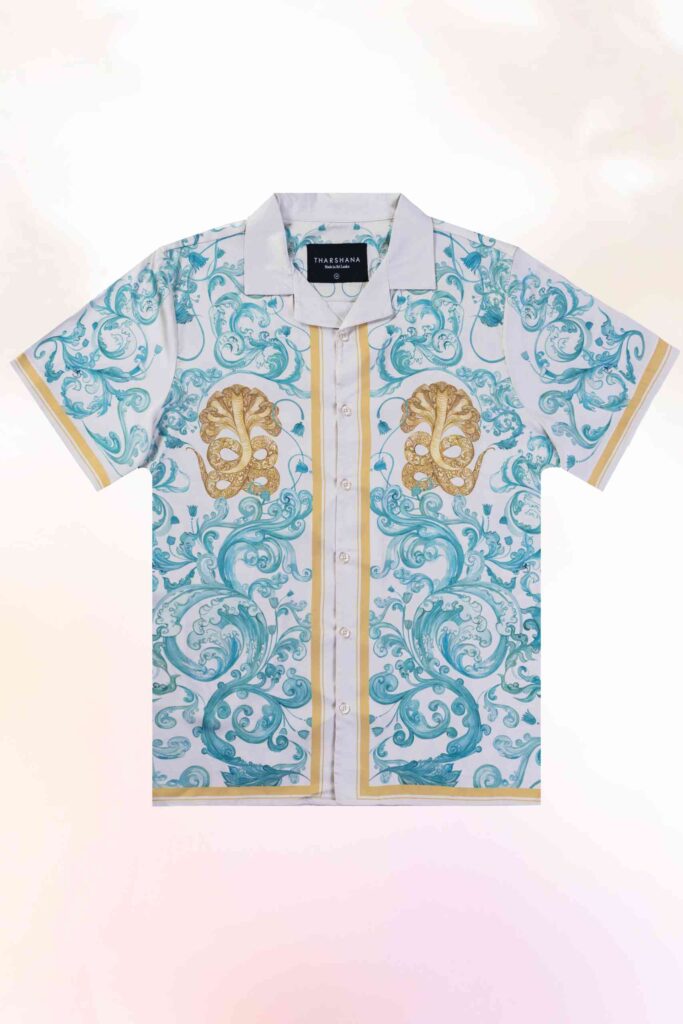
The Naga Shirt
Support Local Brands & Designers
When you support local brands and designers, you are often reducing the carbon footprint of your clothes. These products haven’t crossed the globe to get to you, meaning fewer emissions and a direct positive impact on the community’s economy.
-
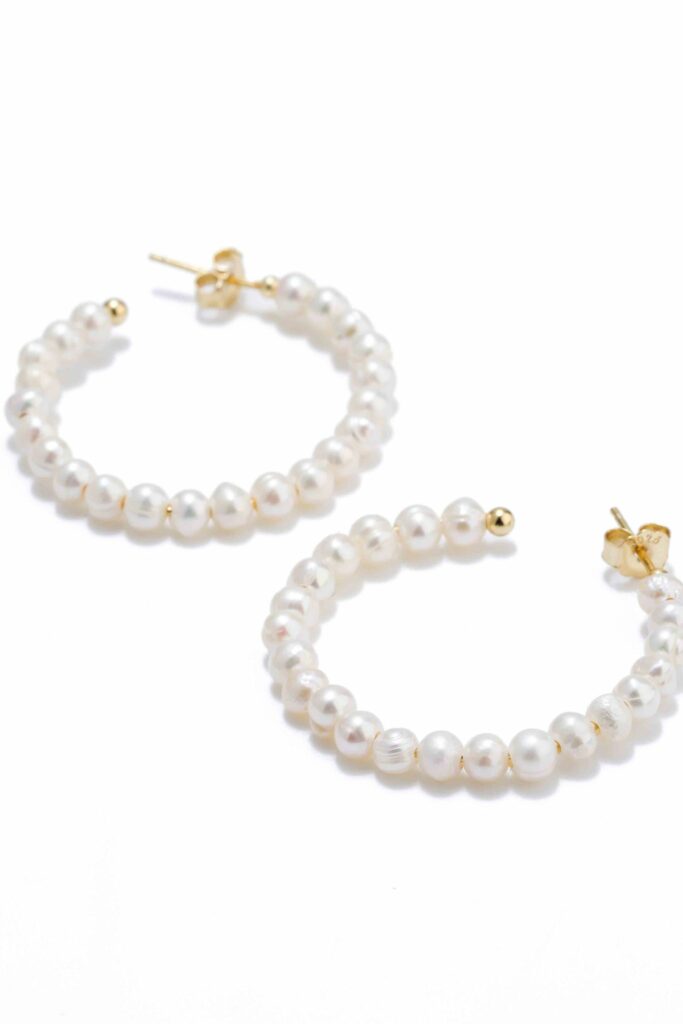
Pearl Hoops
Rs 24,000.00or 3 X Rs8,000.00 with
-
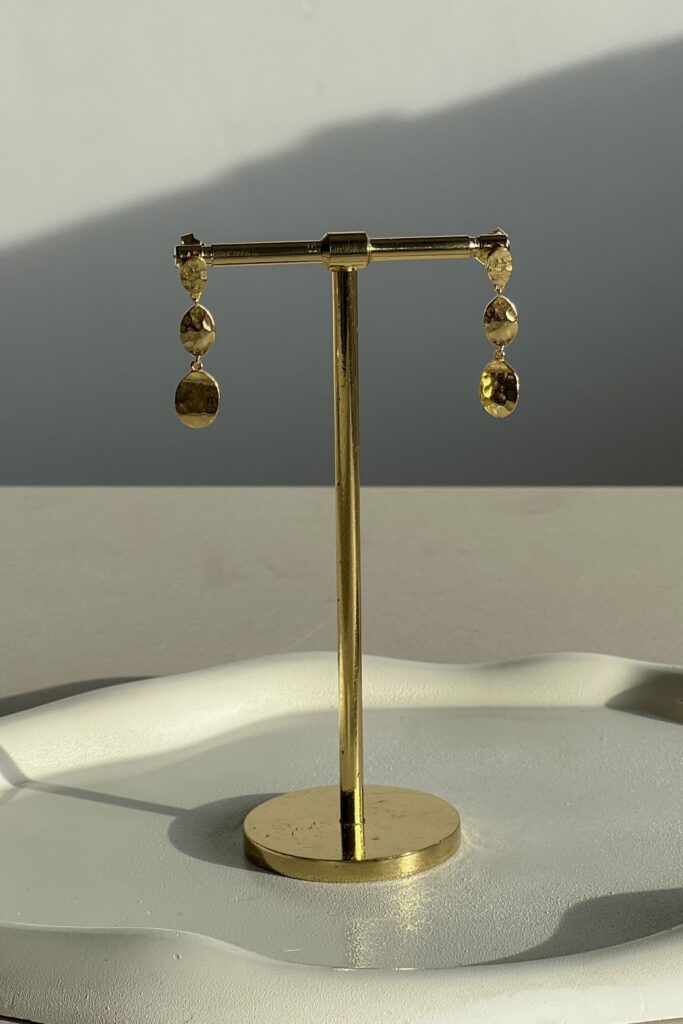
Petal Extended Drops Earrings
Rs 15,000.00or 3 X Rs5,000.00 with
-
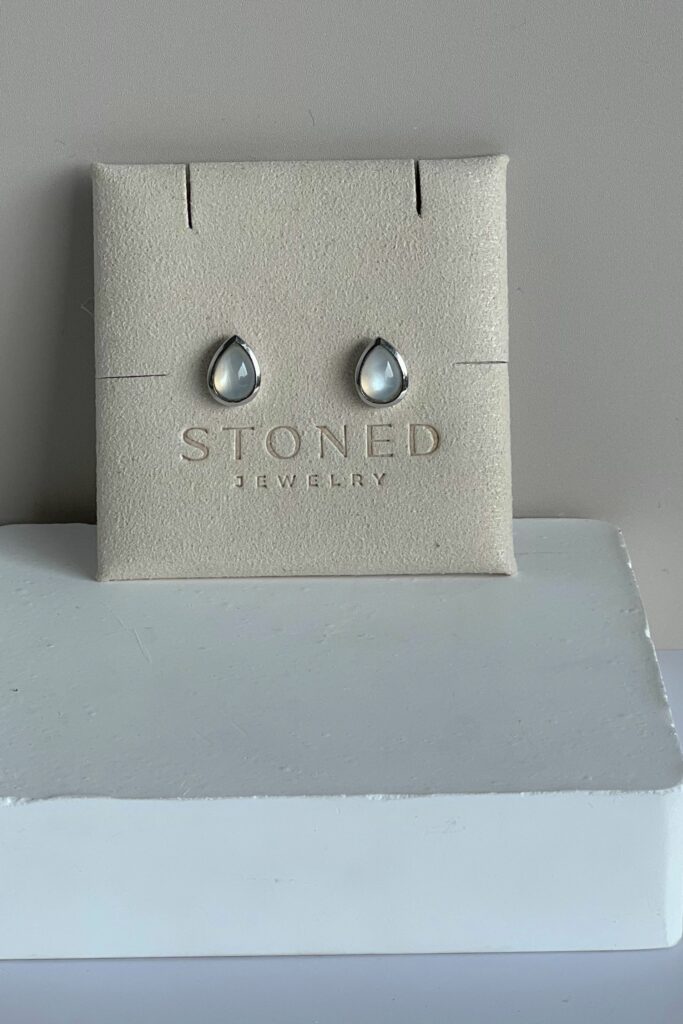
Moonstone Studs
Rs 17,500.00or 3 X Rs5,833.33 with
-
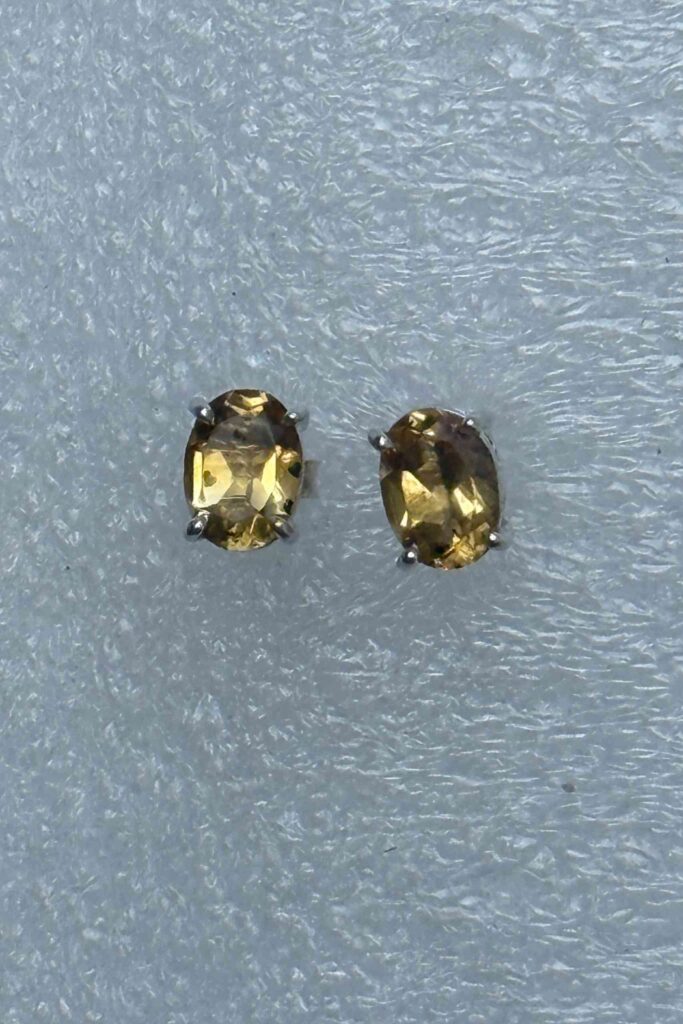
Citrine Studs
Rs 7,500.00or 3 X Rs2,500.00 with
-

Emerald Cashew Tree Long Sleeve Shirt
Shop From Ethical Labels
Before you buy, do a little research. Mindful shopping means looking for transparency.
- Does the brand share information about its supply chain?
- Do they commit to sustainable practices?
- Are they Fair Trade or B Corp certified? Knowing who made your colthes and under what conditions allows you to align your purchases with your personal values.
-
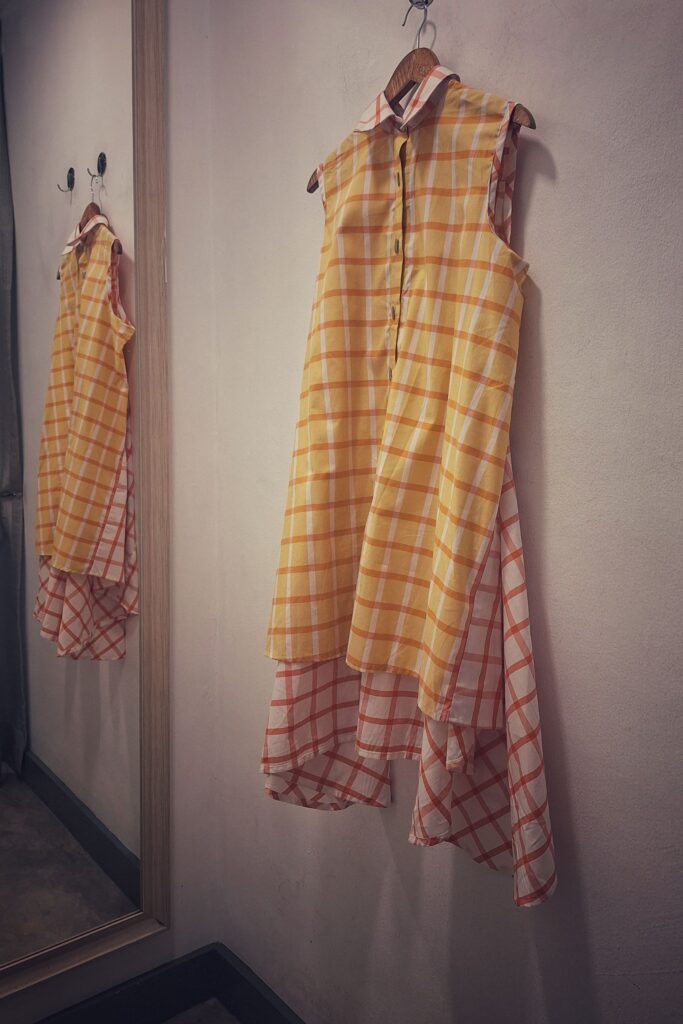
Back Knot Flair Dress – Orange Check
-
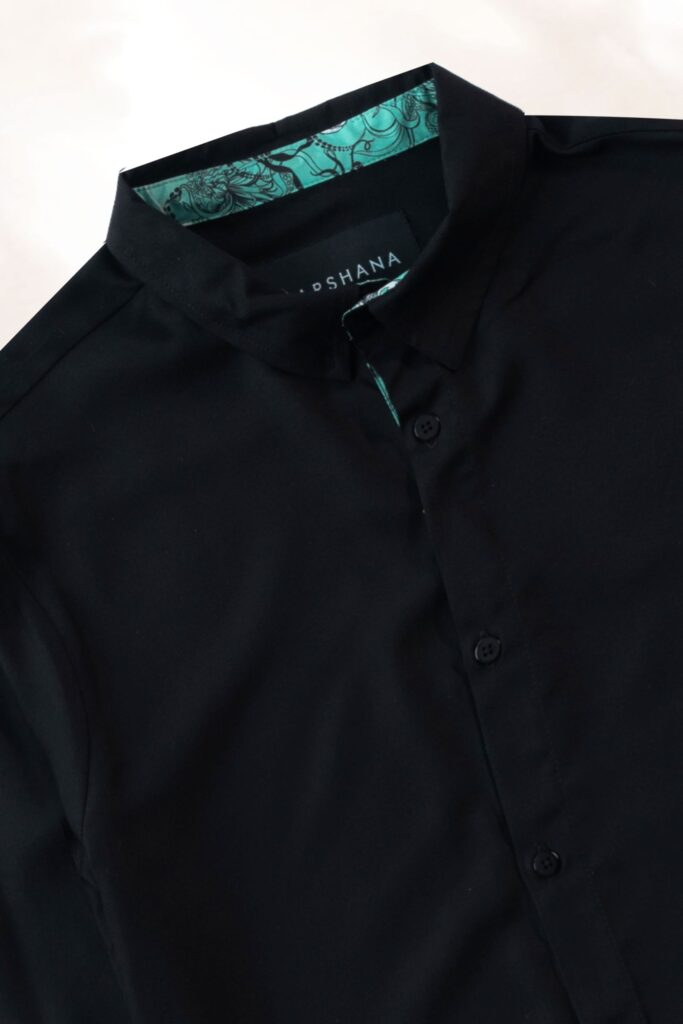
Black Long Sleeve Contrast Cuff Shirt
Rs 10,250.00or 3 X Rs3,416.67 with
Repair Before You Replace
In a ‘throwaway’ culture, mending is a radical act. Before tossing a garment, ask your tailor if it can be repaired. If you’ve outgrown a piece or your style has evolved, don’t send it to the landfill please. Swap with friends, sell it on a resale platform, or donate it to someone in need. Keeping clothes in circulation is the cornerstone of sustainable fashion. One that you can easily take on.
Choosing to quality over quanitty isn’t just about being ‘green’ in the literal sense of the word. It’s a cultural shift toward valuing craftsmanship and longevity. By slowing down, we move away from exploatative business practices and toward a industry that respects both the maker and the wearer.
Each time you hand over cash or swipe your card, you are voting for the kind of world you want to live in. Let’s make it a world where fashion is beautiful, ethical, and built to last.